
Do I Need a Permit for My Kitchen Remodel in Pennsylvania?
Short answer: probably, and your contractor should be pulling it, not you.
Pennsylvania uses the Uniform Construction Code, which municipalities administer locally. That means the broad rules are consistent across Lehigh and Northampton counties, but the fees, forms and inspection scheduling differ by township or borough.
Work that generally needs a permit
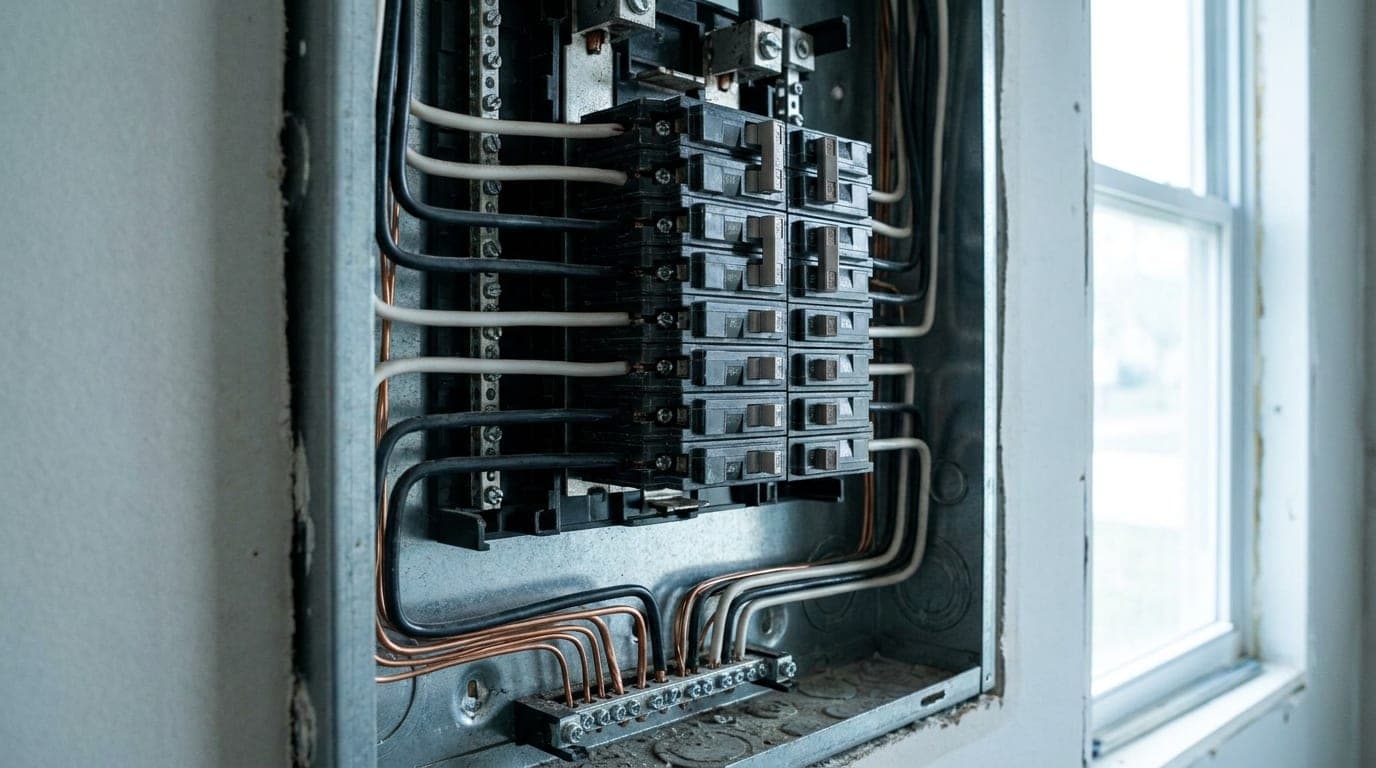
- Electrical. New circuits, moving outlets, adding recessed lighting, upgrading the panel. A modern kitchen needs dedicated circuits and GFCI protection at the counters, so nearly every real remodel triggers this.
- Plumbing. Moving the sink, adding a dishwasher line, relocating gas for a range.
- Structural. Removing a wall, adding or altering a beam, cutting a new opening.
- Mechanical. New ductwork for a range hood venting to the exterior.
Work that generally does not
- Replacing cabinets in the same footprint
- Replacing countertops
- Installing a backsplash
- Flooring
- Painting
The pattern is straightforward. Cosmetic work in place is usually exempt. Anything that touches wiring, pipes, gas or structure usually is not. When it is close, we call the township and ask rather than guess.
Why skipping it is a bad trade
It is tempting. Permits cost money and add scheduling time. Three reasons not to:
Selling the house. Unpermitted work surfaces during the sale. Buyers' agents ask, inspectors notice, and you end up either discounting the price or opening finished walls to get work inspected after the fact.
Insurance. If an electrical fire starts in an unpermitted circuit, your carrier has an argument for denying the claim. That is a lot of exposure to save a permit fee.
It is the check on the work. The inspection is a second set of eyes on wiring and plumbing that is about to be sealed inside your walls. That is worth having, especially since you are paying for the work either way.
Who pulls it
Your contractor should. In Pennsylvania a contractor pulling the permit is taking responsibility for the work meeting code. When a contractor asks the homeowner to pull the permit as an owner-builder, that shifts liability onto you, and it is a signal worth asking hard questions about.
We pull the permits on our jobs and we schedule and meet the inspector. You do not go to the municipal building.
What inspection days look like
Typically two: a rough inspection after wiring and plumbing are run but before drywall closes it up, and a final after everything is in. Work stops until the rough passes, which is why we build inspection windows into the schedule rather than pretending they take no time.
Also required in PA: contractor registration
Separate from permits, Pennsylvania requires most home improvement contractors to register with the Attorney General's office and put their registration number on contracts and estimates. Ask for it. It takes a minute to verify and it tells you whether you are dealing with a real business.
Questions about what your specific project needs? Call (484) 944-6441 and we will tell you straight.